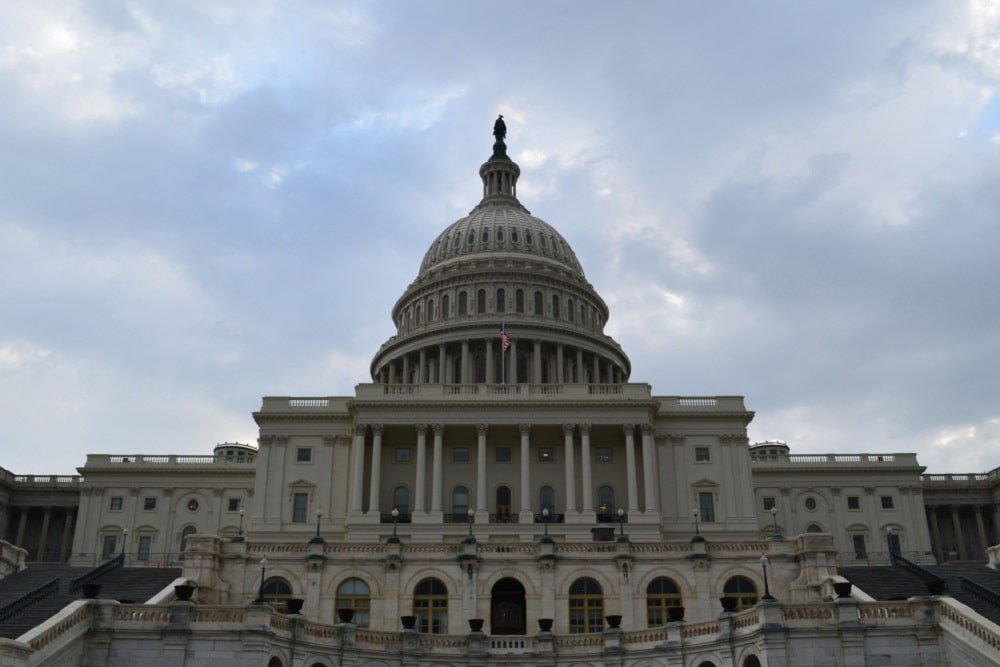
The landscape of U.S. immigration is in a constant state of flux, but the latter half of 2025 has ushered in a period of particularly rapid and aggressive transformation. Through a series of sweeping executive orders, administrative directives, and significant budgetary shifts, the current administration is fundamentally reshaping how individuals enter, remain, and build a future in the United States. This proactive approach impacts everyone – from visa applicants abroad to long-term residents and U.S. employers.
At LforLaw, we understand the immense uncertainty these changes create. Our goal is to cut through the complexity, providing clear, factual insights into these developments and outlining the critical steps you must take to protect your U.S. future.
A New Era of Heightened Enforcement & Scrutiny
Several key policy shifts, enacted through executive orders and reinforced by legislative funding, define this new era:
-
Increased Border Measures & Enforcement Expansion:
- Beyond Title 42-like Policies: New executive orders, like the “Protecting the American People Against Invasion” order (EO 14159, January 20, 2025) and “Securing Our Borders” (EO, April 2025), have signaled an intensified focus on border control. This includes expanded border wall construction, increased deployment of Department of Defense resources, and the potential re-implementation of programs such as “Remain in Mexico” (Migration Protection Protocols).
- Expedited Removal & Detention: The administration is pursuing expanded use of expedited removal nationwide, allowing for quicker deportations without formal court hearings for certain undocumented immigrants. The recently passed Reconciliation Bill also allocates billions of dollars for new immigration detention centers, significantly increasing detention capacity and funding to hire 10,000 additional ICE officers. This signals a dramatic expansion of community arrests and cooperation with state and local law enforcement.
- Asylum Access Under Threat: Executive orders have sought to suspend asylum access at the southern border. While a federal judge recently found an order barring asylum access unlawful, this ruling is temporarily on hold pending government appeal (as of early July 2025). This ongoing legal battle underscores the volatility in humanitarian protections.
-
Enhanced Vetting and Visa Screening:
- “Protecting the United States From Foreign Terrorists and Other National Security and Public Safety Threats” (EO 14161, January 20, 2025): This order emphasizes rigorous vetting procedures for foreign nationals. It has led to full entry suspensions for nationals of countries like Afghanistan and Burma, and partial restrictions for others such as Burundi, Cuba, Laos, Sierra Leone, Togo, Turkmenistan, and Venezuela. The focus is on preventing individuals with “hostile attitudes” or national security threats from entering, leading to potentially increased “ideological screening.”
-
Broadened Alien Registration Requirement:
- Executive Order 14159 (January 20, 2025) and USCIS Guidance: This order reinforces the long-standing duty for most aliens aged 14 or older (and their guardians for those under 14) who were not fingerprinted when applying for a U.S. visa and remain in the U.S. for 30 days or longer, to apply for registration and fingerprinting (often via Form G-325R). Non-compliance carries significant criminal penalties, highlighting a renewed push for government tracking.
-
Impact on Immigration Benefits and Processing:
- Increased Fees and Access Barriers: The recently passed Reconciliation Bill proposes significant fee increases across various immigration benefits, including asylum applications, work permits, and family reunification filings. These steep fees could effectively create a “pay-to-play” system, posing substantial financial barriers for many applicants seeking legal status.
- Processing Delays and Backlogs: Despite massive funding increases for enforcement, immigration courts (EOIR) may not receive commensurate resources, potentially exacerbating already high case backlogs, especially for detained individuals.
- Restrictions on Work Authorization for Asylum Seekers: Proposed regulations aim to prevent most asylum-seekers from obtaining work permits until their asylum claims are fully decided, a process that can take years in the backlogged system.
- Changes to SSN Issuance: The Enumeration Beyond Entry (EBE) program, which previously allowed for automatic SSN issuance, has been halted. This now requires most new immigrants to manually visit Social Security Administration offices, adding another administrative hurdle.
- Termination of Temporary Protected Status (TPS) Programs: For instance, Haiti TPS is set to terminate on September 2, 2025, and certain Venezuelan TPS designations have ended, forcing beneficiaries to seek alternative legal pathways.
-
Focus on Denaturalization:
- New executive actions are directing resources towards a “denaturalization” process for certain naturalized U.S. citizens, signaling increased scrutiny even for those who have achieved citizenship.
What Do These Changes Mean for You? Practical Implications
- Heightened Scrutiny: Expect more rigorous background checks, more detailed interviews, and increased requests for evidence (RFEs) across all application types.
- Increased Risk of Detention and Deportation: For undocumented individuals or those who lose their status, the risk of being placed in removal proceedings, detained, and deported is significantly higher.
- Financial Burden: The proposed fee increases will make applying for immigration benefits more expensive, potentially excluding vulnerable populations.
- Uncertainty for Humanitarian Cases: Individuals relying on asylum or temporary humanitarian statuses face greater challenges and a less predictable future.
- Legal Challenges: Many of these executive actions are being challenged in federal courts. The outcomes of these lawsuits will continue to shape the policy landscape.
Your Path Forward: The Importance of Expert Legal Counsel
In this rapidly evolving environment, staying informed is critical, but acting strategically is paramount. The stakes are higher than ever, and a single misstep can have severe, lasting consequences for your immigration journey.
At LforLaw, we specialize in providing timely, accurate, and strategic legal guidance. Our services include:
- Policy Analysis and Strategic Planning: We break down complex executive orders and administrative changes, helping you understand their direct impact on your case and plan a robust strategy.
- Application Preparation and Defense: We ensure your applications are meticulously prepared to withstand heightened scrutiny, minimizing RFEs and potential denials.
- Litigation Support: If your case faces adverse action due to new policies, we are prepared to explore all avenues, including administrative appeals, federal court litigation (such as Writs of Mandamus for unreasonable delays), and removal defense.
- Customized Advice: We assess your unique circumstances to provide tailored advice, helping you navigate the specific challenges posed by the evolving immigration landscape.
Don’t let uncertainty derail your U.S. future. The time to act decisively and intelligently is now. Contact LforLaw today for a confidential consultation and partner with experienced legal counsel who can help you navigate these turbulent waters with precision and confidence.