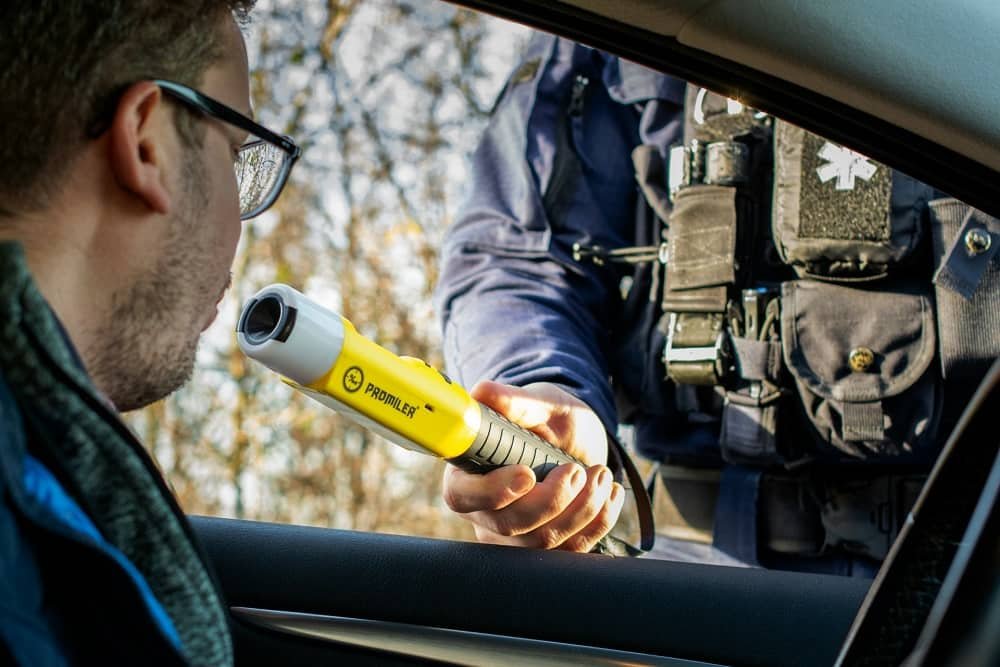
You can’t be too careful on the roads these days. DUI laws are changing fast, and police are using new tech that can detect more than just alcohol. The old playbook for traffic stops might not work anymore.
This post will cover the latest trends in DUI/DWI defense, specifically focusing on roadside drug tests.
New Technology: A Shift from Breathalyzers to Saliva Swabs
For decades, the standard for DUI checkpoints was the breathalyzer, a device designed to measure blood alcohol concentration (BAC). Today, law enforcement agencies across the U.S. are increasingly adopting a new type of roadside test: oral fluid analyzers.
These devices, like the Abbott SoToxa and Dräger DrugTest 5000, use a simple saliva swab to screen for a variety of substances, including:
- Marijuana (THC)
- Opioids
- Cocaine
- Methamphetamines
- Amphetamines
The tests are fast and non-invasive, giving police a preliminary result within minutes. This new technology is being deployed to identify drug-impaired drivers more efficiently, especially with the growing number of states legalizing recreational cannabis.
The Legal Landscape: Your Rights and New Challenges
While these new tests are a useful tool for police, they also introduce significant legal challenges.
A key point to understand is that the results of these roadside tests are generally not admissible in court. Much like a preliminary breath test for alcohol, they are used to establish probable cause for an arrest. If the roadside test is positive, you will likely be taken to a station for a more conclusive blood or urine test, which can be used as evidence in court.
- Implied Consent: Under “implied consent” laws in most states, you are required to submit to a chemical test (like a blood or breath test) after a lawful arrest. Refusing this test can lead to an automatic driver’s license suspension, even if you are not ultimately convicted of a DUI.
However, your rights during the roadside encounter itself are critical. You have the right to remain silent and do not have to answer questions about whether you have used any substances.
What to Do If Pulled Over for Suspected Drug Impairment
If you are pulled over and an officer suspects you are under the influence of drugs, remember these steps:
- Stay Calm and Cooperative: Pull over safely, provide your license and registration, and avoid sudden movements.
- Be Polite, Not Talkative: Politely decline to answer questions about where you are going, where you have been, or if you have been using any substances. Remember your right to remain silent.
- Understand the Tests: If an officer asks you to perform a roadside sobriety test (like the walk-and-turn or one-leg stand) or to take a new oral fluid test, politely but firmly decline. These tests are often voluntary, and your performance on them can be used as evidence against you.
- Know the Consequences of Refusal: While you can decline voluntary roadside tests, be aware that refusing a chemical test after a lawful arrest can result in a separate penalty, such as an automatic license suspension, under your state’s implied consent laws.
The legal landscape of DUI is rapidly evolving. The introduction of new roadside drug testing technology means drivers face new challenges. Understanding your rights and how these new tools work is the first step in building a strong defense. Given the complexity of navigating new DUI laws and technology, having an experienced attorney on your side is more important than ever. We can connect you with licensed attorneys who specialize in DUI defense and can provide the guidance you need.
Sources:
- The National Conference of State Legislatures (NCSL)
- The Minnesota Department of Public Safety
- The Transport Accident Commission (TAC)
- Articles from law firms and criminal defense news outlets