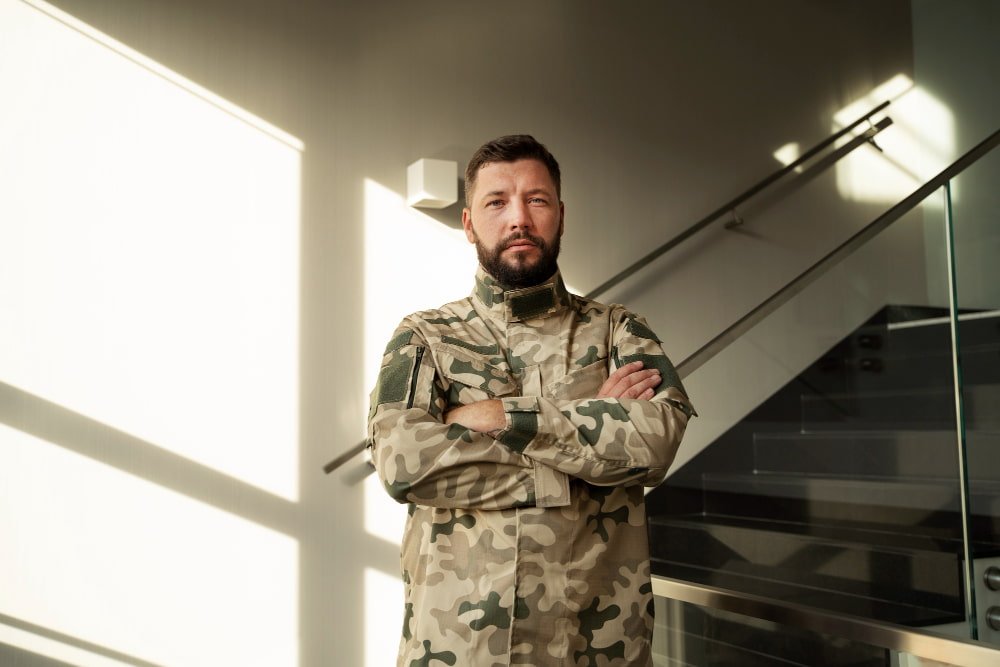
The U.S. Citizenship and Immigration Services (USCIS) recognizes the significant contributions of individuals who serve in the U.S. Armed Forces by offering unique and streamlined pathways to U.S. citizenship. These provisions acknowledge the sacrifices made in defense of the nation and aim to facilitate the naturalization process for eligible service members and veterans.
Detailed Eligibility and Requirements:
- Active Duty Service During Specific Periods (INA 329):
- Section 329 of the Immigration and Nationality Act (INA) provides expedited naturalization for those who served honorably during designated periods of hostility. These periods are specifically defined and have included:
- World War I
- World War II
- The Korean War
- The Vietnam War
- The period beginning September 11, 2001, and continuing as designated by executive order.
- This provision allows for naturalization regardless of lawful permanent resident (LPR) status at the time of enlistment or application, which sets it apart from typical naturalization procedures.
- Section 329 of the Immigration and Nationality Act (INA) provides expedited naturalization for those who served honorably during designated periods of hostility. These periods are specifically defined and have included:
- Honorable Service Verification (Form N-426):
- A crucial aspect of eligibility is demonstrating honorable service. This is achieved through the submission of Form N-426, Request for Certification of Military or Naval Service.
- This form is completed by the relevant military branch and certifies the applicant’s service record, including dates of service, character of service, and any relevant disciplinary actions.
- Lawful Permanent Resident Status (LPR) Considerations:
- While INA 329 may waive the LPR requirement for certain wartime service, most other naturalization provisions require applicants to be LPRs.
- If applying under INA 328 (general naturalization for those with military service), the applicant will need to prove they are a LPR.
- Physical Presence and Residency Modifications:
- Standard physical presence and continuous residency requirements, which are typically stringent for naturalization, may be modified or waived for military applicants.
- This flexibility acknowledges the unique circumstances of military deployment and service, allowing for naturalization even if the applicant has spent significant time outside the U.S.
- English and Civics Proficiency:
- Applicants must demonstrate proficiency in basic English (reading, writing, and speaking) and have a fundamental understanding of U.S. history and government (civics).
- However, waivers may be available for individuals with medical disabilities that prevent them from meeting these requirements.
- Good Moral Character (GMC):
- A critical requirement for all naturalization applicants, including military personnel, is demonstrating good moral character.
- This involves an assessment of the applicant’s criminal history, adherence to the law, and general conduct. Any criminal convictions or evidence of unethical behavior can negatively impact eligibility.
Detailed Application Process:
- Form N-400, Application for Naturalization:
- This is the standard application form for naturalization, used by most applicants, including those with military service.
- Military applicants must provide detailed information about their service history and attach relevant documentation.
- Form N-426, Request for Certification of Military or Naval Service:
- As previously mentioned, this form is essential for verifying honorable military service. It must be completed and certified by the applicant’s military branch.
- Biometrics Collection:
- USCIS requires applicants to provide biometrics, including fingerprints, photographs, and signatures, for background checks and identification purposes.
- Naturalization Interview:
- A USCIS officer will conduct a naturalization interview to assess the applicant’s eligibility, verify the information provided in the application, and test their English and civics knowledge.
- Oath of Allegiance Ceremony:
- Successful applicants must take the Oath of Allegiance in a formal ceremony to officially become U.S. citizens.
Expanded Specific Provisions and Benefits:
- Expedited Processing for Active-Duty Personnel:
- USCIS prioritizes naturalization applications from active-duty military personnel, recognizing the urgency and importance of their service.
- Overseas Naturalization Processing:
- USCIS may conduct naturalization interviews and oath ceremonies at U.S. military installations overseas, facilitating the process for service members stationed abroad.
- Waivers and Accommodations:
- Certain requirements, such as physical presence and residency, may be waived or modified for military applicants.
- Accommodations may also be provided for individuals with disabilities.
- Posthumous Citizenship for Deceased Service Members:
- In certain cases, posthumous citizenship may be granted to service members who died during active duty, honoring their sacrifice.
Expanded Important Considerations:
- Meticulous Documentation:
- Accurate and comprehensive documentation of military service is paramount. This includes service records, discharge papers, and any relevant awards or commendations.
- Professional Legal Assistance:
- Applicants are strongly encouraged to seek legal assistance from qualified immigration attorneys or accredited representatives, especially in complex cases.
- USCIS Resources and Policy Manuals:
- USCIS provides detailed information and resources on its website, including policy manuals, application instructions, and FAQs.
The specialized naturalization process for military service members requires a thorough understanding of complex regulations and specific eligibility criteria. At “L for Law,” our experienced consultants provide expert guidance and personalized support to ensure a smooth and successful path to U.S. citizenship. Contact us today for detailed assistance tailored to your unique military service and immigration needs.