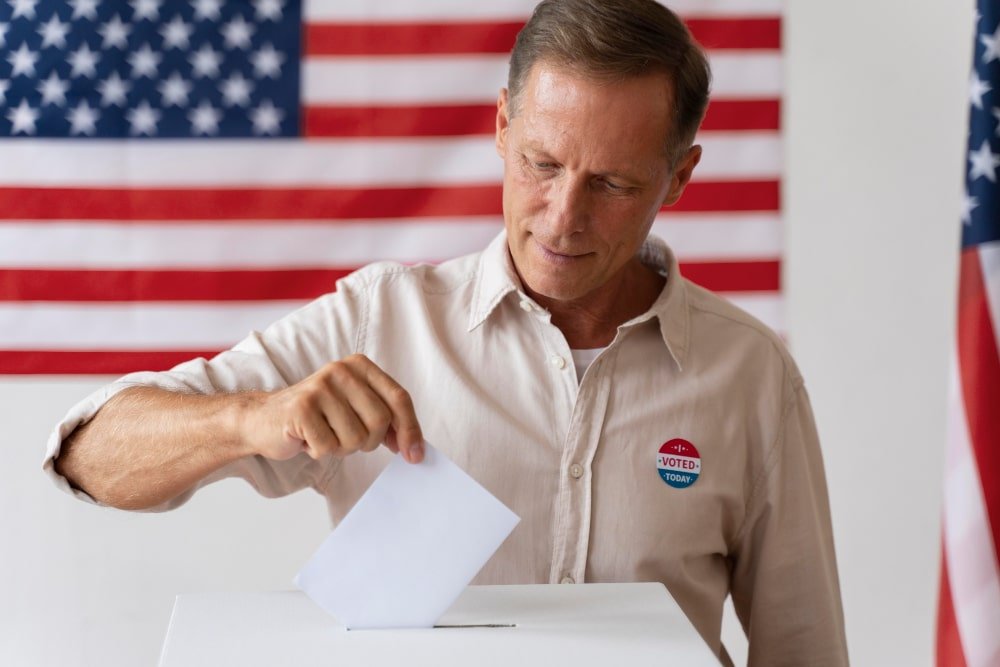
As we close out December 2025, the American voting landscape has become a complex maze of new regulations. While the 2024 elections are behind us, the battle for the 2026 midterms has already begun in state legislatures and federal courts. This year has seen a historic surge in restrictive voting laws—matching the record-breaking pace of 2021—with 16 states enacting 29 new restrictive measures in 2025 alone.
From “mid-decade redistricting” to aggressive new identification requirements, the rules of the game are changing. If you want your voice to be heard in the coming cycles, understanding these “hidden” suppression tactics is no longer optional; it is essential.
The 2025 Trend: Pre-emptive Legal Battles
The defining trend of late 2025 is the “pre-emptive strike.” Civil rights organizations and the Department of Justice (DOJ) are currently locked in high-stakes litigation to block restrictive laws before they can impact the 2026 primary season.
-
Mass Voter Purges: In December 2025, the ACLU intervened in federal lawsuits like United States v. Evans and United States v. Griswold. These cases involve federal demands for unredacted voter rolls, which advocates fear will lead to aggressive, error-prone purges targeting naturalized citizens and students.
-
The “Citizenship” Barrier: States like Indiana, Wyoming, and New Hampshire have implemented laws in 2025 requiring documentary proof of citizenship (like a passport or birth certificate) just to register to vote—a move that creates a massive hurdle for low-income and elderly voters who may not have these documents readily available.
-
Election Interference Laws: At least seven states enacted laws this year that give partisan state-level actors unprecedented authority over local election results and processes, potentially allowing officials to “filter” which votes are counted.
“Hidden” Suppression: Signature Mismatch and Technicalities
While many voters look out for polling place closures, the most effective suppression tactics in 2025 are often technical and invisible until your ballot is rejected.
-
Signature Mismatch (The Subjective Test): Currently, 31 states require election workers to match the signature on your mail-in ballot to the one on your registration file. In 2025, courts (including the Washington Supreme Court) have been forced to rule on how strictly these “handwriting tests” can be applied. Without a robust “cure” process, a slightly shaky hand or a simplified signature can result in a discarded vote.
-
The “90-Day Wipe” of Registration: New “list maintenance” laws allow for more frequent removals. In North Carolina, a 2025 consent order forced nearly 100,000 voters to re-prove their eligibility or risk being forced to vote via a “provisional” ballot, which is less likely to be counted.
-
ID Number Redundancy: New laws in states like Utah now require mail-in voters to provide the last four digits of their State ID or Social Security number in a specific, sealed location on the return envelope. Forgetting this one detail can lead to an automatic rejection.
How to Ensure Your Vote is Counted
To navigate this new landscape, voters must be proactive rather than reactive. Follow these steps to safeguard your ballot:
-
Check Your Registration Monthly: Do not wait for an election. Use official state portals to ensure you haven’t been “purged” or moved to an “inactive” list due to a minor clerical error or a change of address.
-
Update Your “Signature on File”: If your signature has changed due to age, injury, or simply time, visit your local registrar to update your signature on record. This is the best defense against a signature mismatch challenge.
-
Use the “Cure” Period: If your ballot is challenged, you often have a short window (usually 2 to 8 days after the election) to “cure” it by providing additional ID. Be sure your contact information on your registration is current so officials can reach you.
-
Avoid the “Election Day Deadline” Trap: Many states, including Kansas and North Dakota, eliminated grace periods in 2025. Mail-in ballots must now arrive by 8:00 p.m. on Election Day, regardless of when they were postmarked. Use a secure drop box if available.
Conclusion
The right to vote is only as strong as your ability to navigate the bureaucracy designed to limit it. As we enter the 2026 cycle, the “hidden” tactics of signature verification and aggressive list maintenance are becoming the primary tools of disenfranchisement. Proving that a rejected ballot or a purged registration is a violation of the Civil Rights Voting Act requires early intervention and expert legal oversight. If you believe your registration has been unlawfully targeted or your ballot has been unfairly rejected, you need a voter suppression lawyer who understands the specific 2025 regulatory shifts in your state. To ensure your voice isn’t silenced by a technicality, contact Lforlaw today to connect with expert attorneys who provide the necessary legal help for voting rights and are dedicated to protecting every citizen’s access to the ballot box.
Sources
-
Brennan Center for Justice: State Voting Laws Roundup: October 2025.
-
ACLU: Case Updates: United States v. Evans & United States v. Griswold (Dec 30, 2025).
-
NCSL (National Conference of State Legislatures): Table 14: How States Verify Voted Absentee/Mail Ballots.
-
Campaign Legal Center: 2025 Voter Purge Legislative Resource Guide.
-
WITF News: DOJ Push for State Voter Records Raises New Election Integrity Concerns (Dec 2025).