For decades, mold in rental housing has been treated as a “cosmetic” or “maintenance” issue in the United States, leaving tenants in a legal gray area while their health declined. However, inspired by the UK’s landmark Awaab’s Law, a new wave of federal proposals is hitting the floor in 2026, aiming to set the first-ever strict, enforceable timelines for mold remediation in the American private rental sector.
At Lforlaw, we are tracking these legislative shifts closely. If passed, these rules will move mold from a “suggested repair” to a “mandatory emergency,” fundamentally changing the landlord-tenant dynamic in the U.S.
The UK Influence: What is Awaab’s Law?
Awaab’s Law was named after Awaab Ishak, a two-year-old who died in the UK due to prolonged exposure to severe mold in his family’s social housing. The law, which became fully operational in the UK’s social sector in late 2025 and is expanding to their private sector in 2026, mandates that landlords:
-
Investigate reports of damp and mold within 14 days.
-
Begin repairs within 7 days if the mold poses a health risk.
-
Emergency repairs must be addressed within 24 hours.
2026 US Federal Proposals: The Push for Speed
In early 2026, U.S. lawmakers introduced the MOLD Act (Military Occupancy Living Defense Act) and parallel civilian proposals that seek to mirror these strict timelines. These federal shifts focus on three “Accountability Pillars”:
1. The “24-Hour” Emergency Threshold
Current proposals argue that “toxic mold” in a home with children, elderly residents, or immunocompromised individuals should be classified as an emergency hazard, similar to a gas leak or water main break. This would require landlords to provide alternative housing or begin remediation within 24 hours of a formal report.
2. Mandatory Independent Inspections
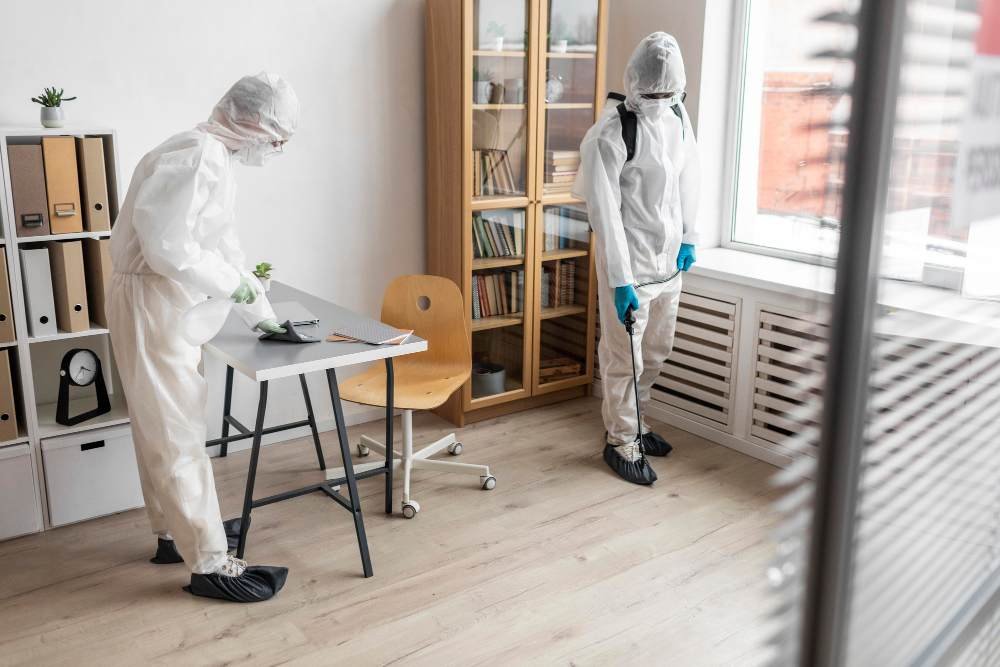
One of the biggest hurdles for US tenants has been “landlord-led” inspections, where a maintenance worker simply paints over the mold. The 2026 proposals mandate third-party, certified mold assessments (using standards like ANSI/IICRC S520) whenever a tenant reports a habitability concern.
3. The End of Non-Disclosure Agreements (NDAs)
A controversial but central part of the 2026 federal push is the ban on NDAs in mold settlements. Historically, corporate landlords have paid out small settlements to sick tenants in exchange for their silence. The new “Awaab-style” extension would prohibit these “silence for safety” clauses, allowing the public to see patterns of neglect.
The Impact on Private Landlords
For the average US landlord, these 2026 proposals represent a massive shift in liability. Under the proposed federal framework:
-
Proof of Remediation: Landlords cannot just “clean” mold; they must prove the source of the moisture (leaks, ventilation) has been fixed.
-
Statutory Damages: Failure to meet the 14-day investigation window could trigger automatic rent abatement or triple damages for health-related costs.
Conclusion
The extension of “Awaab’s Law” principles into the U.S. represents the most significant shift in federal housing safety in a generation. By treating mold as a time-sensitive health crisis rather than a slow-moving repair, the 2026 proposals aim to prevent the tragedies that have plagued both military and civilian families for years. While these federal bills are still in the “proposal” phase, the momentum for stricter timelines is undeniable—and for landlords, the time to upgrade ventilation and moisture control is now.
Is your landlord ignoring a serious mold issue or refusing to provide a professional inspection? Don’t wait for the law to catch up to your health risks. Contact Lforlaw today to connect with a habitability and personal injury attorney who can help you enforce your current state rights and prepare for the new federal standards.
Sources
-
Cleanfax News: New Senate Bill Takes a Hard Look at Mold (January 2026).
-
UK Government (GOV.UK): Awaab’s Law for Private Renters Extension Guide (2026).
-
U.S. Senate Environment and Public Works Committee: 2026 Oversight Letters on Indoor Air Quality and Rental Safety.