New Requirements
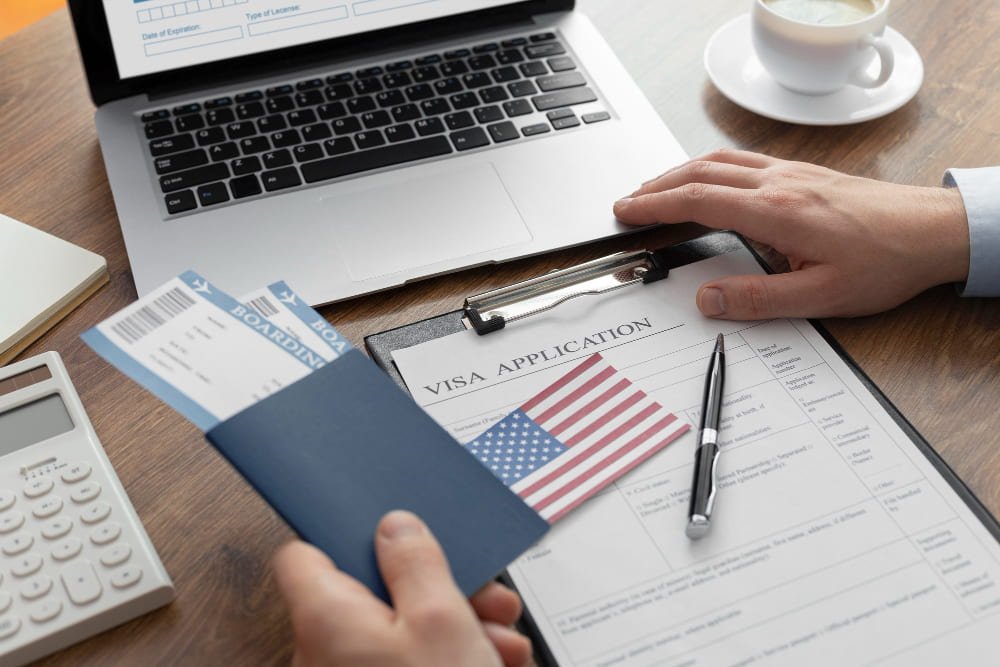
USCIS is now asking for biometrics (like fingerprints and photos) from some H-1B applicants and those seeking employment-based green cards. This is happening through Requests for Evidence (RFEs), which are essentially requests for more information. These RFEs are unusual because biometrics aren’t typically required for these types of cases.
Concerns
- Unexpected Request: Employers and applicants aren’t used to providing biometrics for H-1B visas, so this adds a new step to an already complex process.
- Lack of Explanation: The RFEs often mention “potentially adverse information” without explaining what that information is, causing confusion and worry.
- Legal and Ethical Questions: The sudden change raises questions about why this information is being requested and whether it could lead to increased enforcement actions.
What should employers and applicants do?
- Don’t panic, but don’t rush: If you receive an RFE, don’t immediately send the requested information.
- Seek clarification: Ask USCIS to explain the specific “adverse information” that triggered the request. You have the right to know why this information is being requested.
- Document everything: Keep detailed records of all communication with USCIS.
- Consult with legal counsel: Work with an experienced immigration attorney to determine the best course of action. They can help you understand your rights and responsibilities.
- Inform leadership: If you’re an HR professional, let your company’s leaders know about this development, as it could affect hiring and employee retention.
Conclusion
Regarding Immigration Acts & Procedures, never hesitate to reach out to the Experts. Here at L for Law, our skilled consultants are always available in times of such situation when a guided support is needed. Contact us now and stay updated with all the latest news & alerts about immigrations.